1. Hard surfaces
Tile, sealed wood, glass and metal are cleaned and disinfected first because they are the easiest to restore.
Casey, IL · Clark County
Who cleans up after a homicide in Casey? Not the police. Call (877) 812-4220 to get a cleanup team to restore the home, remove waste and treat lingering odor.
If anyone is in danger, call 911 first. For a suicide crisis, call or text 988.
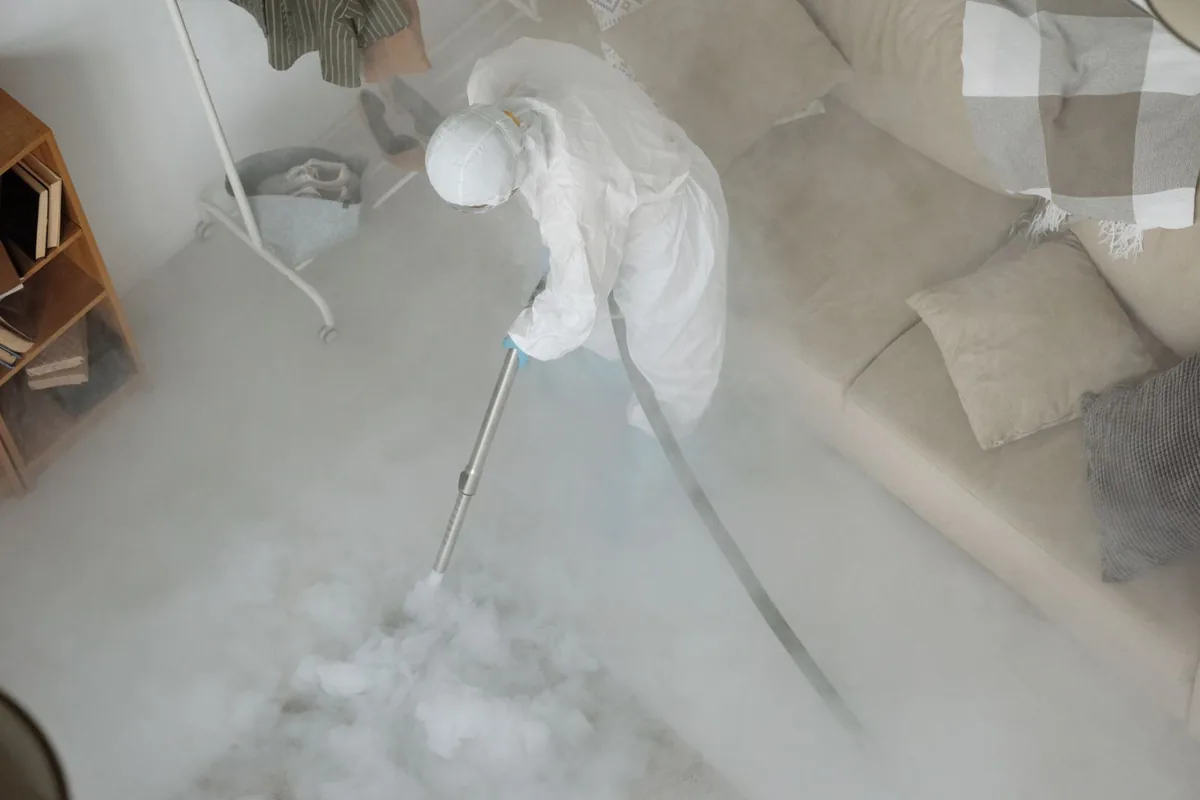
Homicide cleanup means restoring a home, business or vehicle after a death by violence. Trained hands handle the contamination so families can focus on grief, funeral plans and each other.
When a homicide leaves your property in Casey unsafe, you can call Casey Biohazard Cleanup Help at any hour. Cleanup technicians work across Clark County day and night and explain each step in plain words.
About 10% of housing in Clark County is vacant, so owners living elsewhere can get homicide cleanup set up by phone through a key holder. About 75% of homes in Casey were built before 1980, and older carpet, subfloor and wood trim absorb fluids deeply.
A typical homicide cleanup job includes:
Tile, sealed wood, glass and metal are cleaned and disinfected first because they are the easiest to restore.
Affected rooms are sealed, and the crew puts on full protective equipment so nothing spreads to other areas.
Materials that cannot be saved are removed as medical waste. Everything that stays is cleaned and disinfected.
The team photographs the finished work and prepares paperwork for insurers, landlords or victim services.
Most homicide cleanup jobs in Casey, IL cost between $2,000 and $10,000, based on published cost guides.
Waste volume affects the total. More contaminated material means more packaging, hauling and disposal under medical waste rules.
| Type of job | Typical range |
|---|---|
| Smaller scene | $2,000 - $6,000 |
| Larger scene | $3,000 - $10,000 |
| Violent crime scene | $2,500 - $9,000 |
Estimates only, not a quote. Sources: Crime scene cleanup cost guide from a biohazard cleanup company, BioCleaners Directory. Price drivers include size of the scene, how deep fluids reached, number of rooms, waste disposal. Call (877) 812-4220 to talk through the job.
They seal off the area, wear protective gear and remove soaked flooring, drywall and furniture. Hard surfaces are cleaned and disinfected. Waste is hauled as regulated medical waste, and the air is treated for odor.
Say what happened, when, and that the scene has been released. Ask what the policy covers and which documents are needed. Take photos if you can and keep every receipt.
Yes, when the source is removed. Odor often comes from materials fluids soaked into, so crews take those out, then clean and deodorize the space. The air is filtered to finish the job.
Expect to supply a bill or receipt, itemized costs and an insurance declaration page or a statement of no insurance. Ask the cleanup crew what paperwork you get. There is no fee to apply, and no lawyer is required.
Many homeowners policies cover crime or death cleanup after the deductible, though some exclude certain cases. Renters policies often cover cleanup but not the building. Call your insurer before work starts and ask what applies.
It includes blood cleanup, removal of soaked carpet, padding and drywall, disinfection, handling of debris and residue, and odor removal. Crews also sort personal property and document the work.
Compassionate help from the first call to the final inspection.
Call (877) 812-4220